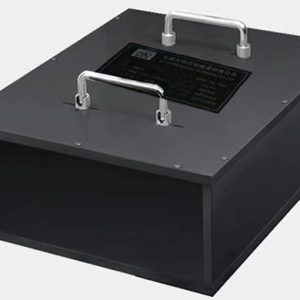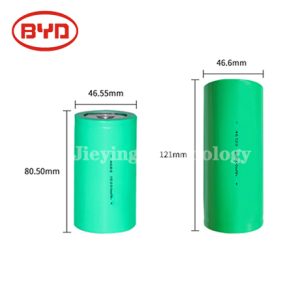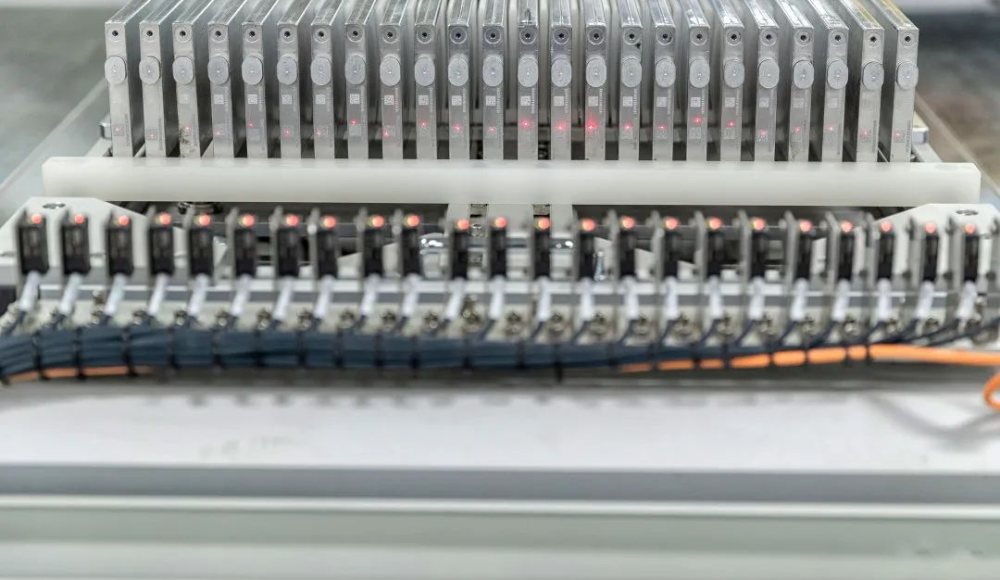
The formation of BYD’s CTB technology is inseparable from its self-developed battery technology – blade battery. The blade battery is shaped like a blade, and the entire battery pack is composed of countless “blades”. The positive electrode is lithium iron phosphate, which is low-cost, does not contain heavy metals, and has an operating voltage of 3.2v. The “long” and “thin” shape of the battery is similar to that of a blade. Compared with the current square shell battery, the height of this battery has not changed, and the thickness is slightly thicker than the soft shell battery. Blade battery technology has the advantages of relatively high internal space in the battery pack, relatively small mass, high energy density, slow high temperature rise at startup, low heat generation, and no oxygen release. In terms of Pack, the thin blade-like cells are combined together, so that the space layout in the battery pack can be optimized. The space in the same volume can accommodate more cells. Compared with the block battery stacking method, the blade battery will increase the overall space utilization rate from about 40% to 60%.
In addition, the blade battery becomes longer and thinner, its surface area increases, and the overall heat dissipation is better. The short circuit of the battery is relatively long, and the heat generated is less. Combined with BYD’s comprehensive high-temperature “ceramic battery” technology, the safety of the blade battery has been greatly improved. The flat and thin design, when grouped, the battery cell directly acts as a battery pack structure, which improves the battery space utilization rate and increases the system energy density. The battery cell stacking process reduces the battery internal resistance, reduces the heat generation, and increases the battery safety characteristics and energy density. The iron core has better safety performance and performs well in the needle puncture test. The charging cycle life of BYD’s blade battery exceeds 4,500 times, which is more than 3 times that of the ternary lithium battery and exceeds the ordinary lithium iron phosphate battery. The equivalent mileage life of the blade battery can exceed 1.2 million kilometers.
The emergence of blade batteries also makes up for the shortcomings of lithium iron phosphate batteries. Blade batteries have passed the battery safety needle puncture test and successfully challenged the extreme strength test – the 46-ton heavy truck crushing test. They have the following features:
1. Super safety: Seven safety dimension tests for battery use, covering internal short circuit, external short circuit, overcharge, collision, high voltage, connection and dangerous gas;
2. Super strength: The battery pack has the characteristics of not catching fire or exploding when squeezed, and has passed the simulated collision, compressive strength and other tests;
3. Super endurance, the endurance mileage easily exceeds 600km;
4. Super life, meeting the requirements of more than 3,000 charge and discharge times, meeting the requirements of the vehicle’s full life cycle, and having the advantage of higher safety.